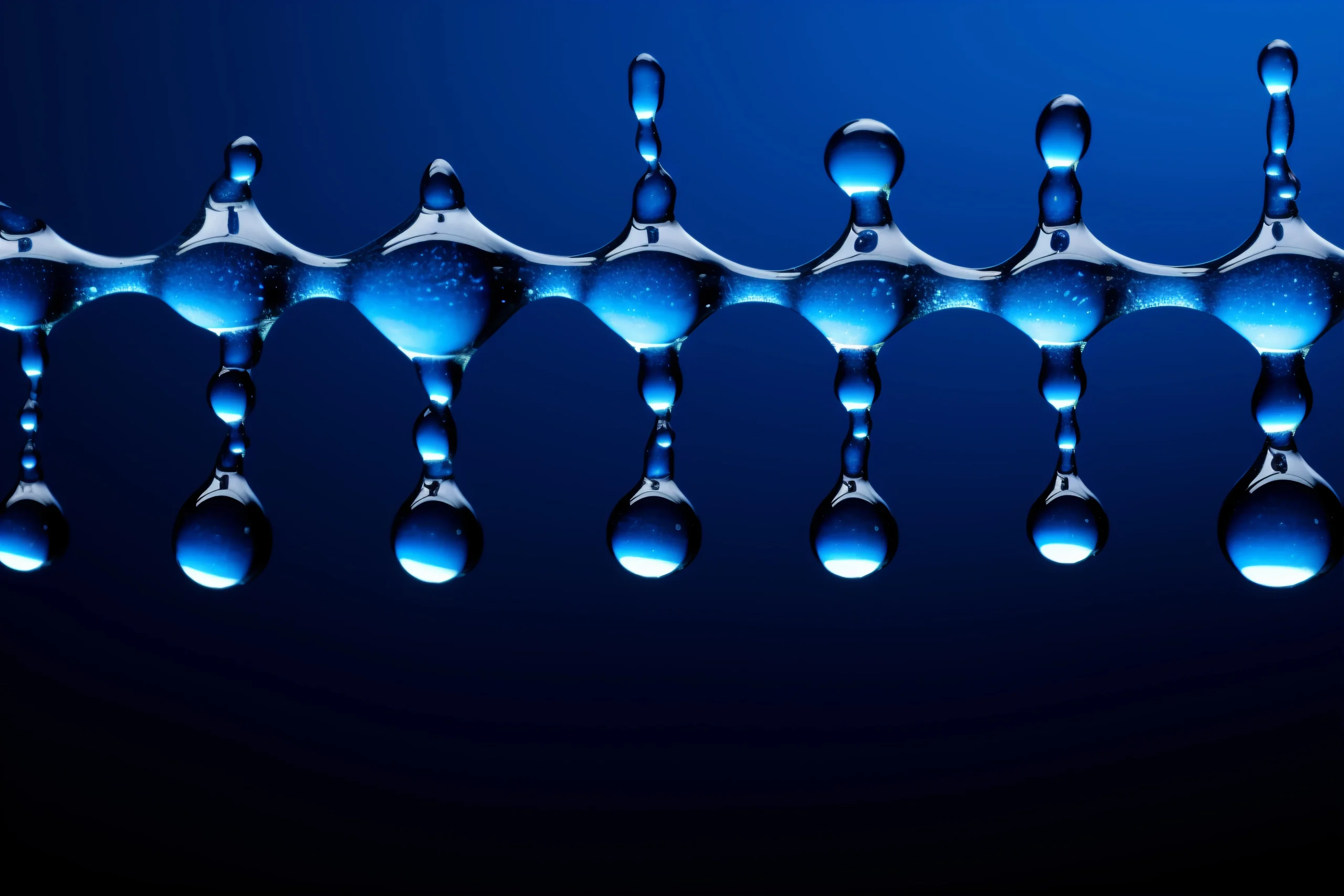
To understand this compound system, let’s break down its three major components:
Formic Acid (HCOOH)
Formic acid is the simplest carboxylic acid, recognized for its reactivity and versatility.
- Molecular weight: 46.03 g/mol
- Boiling point: 100.8°C
- Density: 1.22 g/cm³
- Key roles: Acts as a reducing agent, catalyst, and hydrogen source.
- Industrial uses: Leather processing, textile dyeing, agriculture, and as an antibacterial agent.
Formic acid readily donates a proton (H⁺) in aqueous solutions and is a vital player in acid-catalyzed reactions, oxidation processes, and hydrogen release technologies.
Methylene (CH2)
The methylene group (CH2) is not a stable standalone molecule but exists as part of larger compounds, such as formaldehyde (CH2O) or methanol (CH3OH).
- Molecular weight: 14.03 g/mol
- Boiling point: –92.2°C
- Role: Acts as a carbon connector or bridge in organic compounds.
Methylene units are highly reactive intermediates in polymerization, hydrogenation, and organic synthesis. In hcooch ch2 h2o systems, they are often derived from formaldehyde or methyl formate and serve as key intermediates in reactions.
Water (H2O)
Water is more than just a solvent—it’s a universal reactant.
- Molecular weight: 18.02 g/mol
- Boiling point: 100°C
- Density: 1.00 g/cm³
Water enables proton transfer, hydrolysis, and equilibrium reactions. In the hcooch ch2 h2o environment, it helps dissolve reactants, controls acidity, and stabilizes products. It also moderates reaction rates and ensures safer chemical interactions.
hcooch ch2 h2o Chemical Structure and Interaction
The hcooch ch2 h2o chemical structure is not a single molecule but a reactive system representing the coexistence of formic acid, methylene, and water. This trio participates in reactions such as:
- Hydrolysis of esters and methyl formate
- Esterification of formic acid with alcohols
- Formation of methanol or formaldehyde under heat or catalysis
This makes the system important for understanding nucleophilic substitution and acid-base chemistry in both lab and industrial settings.
The Hydrolysis of Methyl Formate: Core Reaction
One of the most studied reactions involving hcooch ch2 h2o is the hydrolysis of methyl formate (HCOOCH₃), which yields formic acid and methanol:
Reaction:
HCOOCH₃ + H₂O → HCOOH + CH₃OH
Mechanism:
- Protonation: Acidic medium protonates the ester group.
- Nucleophilic Attack: Water attacks the carbonyl carbon.
- Bond Cleavage: Methanol is released, and protonated formic acid forms.
- Deprotonation: Final step yields neutral formic acid and methanol.
This reaction is a perfect example of how formic acid, methylene derivatives, and water coexist and interact chemically.
Factors Affecting Hydrolysis
| Factor | Description | Effect |
| Catalysts | Acidic or basic media | Accelerates hydrolysis |
| Temperature | Elevated heat | Increases reaction rate |
| Water Quantity | Excess water | Shifts equilibrium toward hydrolysis |
| pH Environment | Acidic conditions | Enhances nucleophilic substitution |
These parameters help optimize the process for both industrial and lab-scale chemical synthesis.
Industrial and Laboratory Applications of hcooch ch2 h2o
Industrial Applications
- Textile Processing: Formic acid fixes dyes, ensuring vibrant, lasting colors.
- Rubber Production: Used to coagulate latex in rubber manufacturing.
- Fuel Cells: Formic acid serves as a hydrogen carrier in fuel cell systems.
- Catalyst Testing: The system helps screen catalysts for hydrogenation.
- Polymer Synthesis: CH2 intermediates improve polymer strength and elasticity.
Laboratory Applications
- Acts as a reaction medium for metal ion reduction and organic synthesis.
- Enables controlled polymer growth through methylene intermediates.
- Useful in titration and chromatography to study pH and solubility effects.
Safety and Environmental Considerations
Safety Precautions
| Chemical | Hazard | Precaution |
| Formic Acid | Corrosive | Use gloves, goggles, and ventilation |
| Methanol | Toxic | Avoid inhalation or skin contact |
| Methyl Formate | Irritant | Work under fume hood |
Always neutralize spills with alkaline agents and store reagents in labeled containers.
Environmental Impact
- Waste Treatment: Neutralize acidic effluents before disposal.
- Water Recycling: Reuse process water to minimize environmental load.
- Green Chemistry: Replace hazardous solvents with aqueous systems.
Addressing Misconceptions About hcooch ch2 h2o
- Not a Single Compound: It’s a chemical system, not one molecule.
- Unique Roles: Each component—HCOOH, CH2, and H2O—has distinct chemical behavior.
- Wider Applications: Extends far beyond organic synthesis to renewable energy, fuel technology, and sustainable materials.
- Safety Risks: Despite its usefulness, improper handling can cause corrosion and toxicity.
Why hcooch ch2 h2o is Trending in Modern Chemistry
The rise of green and sustainable chemistry has renewed interest in hcooch ch2 h2o systems. Chemists now study it for:
- Bio-based synthesis using renewable formic acid sources.
- Catalytic efficiency in hydrogenation and oxidation.
- Fuel cell development using aqueous formic acid solutions.
As industries move toward cleaner energy, the chemistry of this trio remains vital to innovation.
FAQs About hcooch ch2 h2o
Q1. What does hcooch ch2 h2o represent?
It denotes a reactive system involving formic acid, methylene, and water, not a single stable compound.
Q2. What is the hcooch ch2 h2o chemical structure?
It represents the coexistence of HCOOH, CH2 (from formaldehyde or methyl formate), and H2O in a dynamic equilibrium system.
Q3. What are its main applications?
Used in fuel cells, textile processing, rubber production, and as a reaction medium in laboratories.
Q4. Is hcooch ch2 h2o environmentally safe?
When handled properly and neutralized after use, it supports sustainable and low-emission chemical processes.
Q5. Why is hcooch ch2 h2o important in green chemistry?
It enables hydrogen generation, biodegradable reactions, and the replacement of toxic reagents in modern chemistry.
Conclusion
The hcooch ch2 h2o system exemplifies how simple molecules—formic acid, methylene, and water—can power complex and sustainable chemistry. From industrial catalysis to renewable energy applications, understanding their interactions provides insight into modern, eco-friendly reaction mechanisms.
As research continues, this reactive trio will remain at the core of innovative, low-impact, and high-efficiency chemical technologies.