Food has always been more than just nourishment. Across cultures, it carries memories, emotions, traditions, and identity. In Turkish cuisine, where meals symbolize togetherness and hospitality, every traditional dish tells a deeper story. One such dish is cevurı—a comforting, flavorful preparation deeply rooted in regional Turkish kitchens.
Although not as internationally famous as kebabs or baklava, cevurı (cevuri / çevuri / çevüri / cevüri) holds a special place in Turkish households. It represents simplicity, patience, and shared moments. Over generations, it has evolved while preserving its soul, making it a cultural treasure worth exploring.
This article unveils cevurı, its origins, cultural significance, ingredients, preparation, emotional value, and its growing presence in the modern culinary world.
What Is Cevurı? (Cevurı Unveiled)
Cevurı is a traditional Turkish meat-based dish prepared using tender lamb or beef, slow-cooked with fresh vegetables and aromatic spices. It is known for its rich flavor, comforting texture, and home-style cooking approach.
The dish goes by several variations in spelling and pronunciation, including:
- cevuri
- çevuri
- çevüri
- cevüri
- google cevuri (common search variation)
Many people also search for translations such as:
- ingilizce cevuri
- arapca cevuri
- kurtce cevuri
- ingulizce turkce cevuri
Despite spelling differences, the essence remains the same—a slow-cooked dish that reflects Turkish culinary heritage.
The Cultural Significance of Cevurı
In Turkey, food is central to family life. Meals are rarely eaten alone, and cevurı is a dish made for sharing. It often appears at the center of the table during family dinners, holidays, religious gatherings, and special occasions.
A large pot of cevurı brings people together. Served with bread or rice, it encourages communal eating—everyone serving themselves, sharing stories, and strengthening bonds. This tradition reflects the Turkish values of hospitality, generosity, and unity.
For many families, the aroma of cevurı cooking slowly is tied to childhood memories—watching elders prepare it with care, waiting patiently, and enjoying it together.
Origins in Regional Turkish Kitchens
The true beauty of cevurı lies in its humble beginnings. It originated in rural and regional Turkish kitchens where ingredients were simple and locally sourced. Families used what they had—fresh vegetables from gardens, meat from local farms, and spices passed down through generations.
There is no single universal recipe for cevurı. Each region and household prepares it differently:
- Some versions are spicier
- Others are milder and softer
- Some focus heavily on meat
- Others include more vegetables
This flexibility is a defining feature of Turkish cuisine. Food is not just about instructions; it is about identity and personal expression.
Ingredients: Simple Yet Powerful
Cevurı proves that exceptional flavor does not require luxury ingredients. Its strength lies in balance and technique.
Core Ingredients
- Lamb or beef – Rich, flavorful, and ideal for slow cooking
- Fresh vegetables – Onions, tomatoes, bell peppers, sometimes potatoes or eggplant
- Spices – Black pepper, paprika, cumin, thyme, salt
- Oil or butter – Enhances flavor and supports slow cooking
Though modest, these ingredients come together beautifully. Slow cooking allows the meat to become tender while vegetables release natural sweetness, creating a deeply satisfying dish.
Traditional Cooking Process
The preparation of cevurı is straightforward but meaningful. It reflects patience—a value deeply embedded in traditional cooking.
Cooking Steps
- Meat is cut into small pieces and marinated with spices, oil, and sometimes garlic
- Meat is slowly browned to release juices
- Vegetables are added gradually to ensure proper cooking
- The dish simmers until flavors fully combine
The process is never rushed. The aroma that fills the kitchen becomes part of the experience, often drawing family members together even before the meal is served.
How Cevurı Is Traditionally Served
Cevurı is most commonly served with:
- Rice (pilaf)
- Fresh bread
Both help soak up the flavorful sauce. Many families also serve a simple salad of tomatoes, cucumbers, lemon juice, and olive oil to balance the richness.
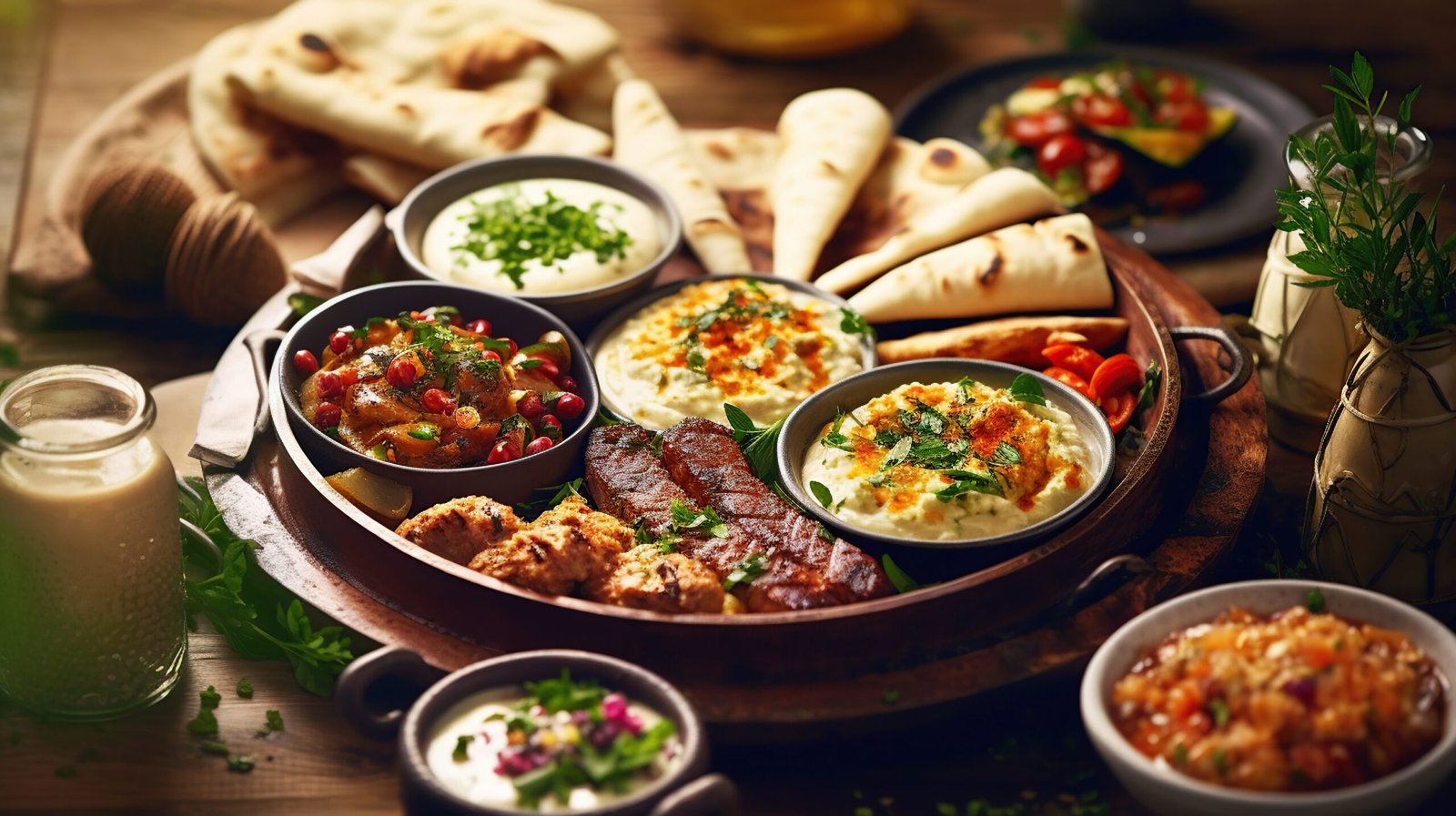
Traditionally, cevurı is placed in the center of the table, reinforcing the idea of shared meals and equality. Whether served in a ceramic dish or straight from the pot, it represents warmth and hospitality.
Emotional and Generational Connection
Beyond taste, cevurı carries emotional value. It reminds people of home, family, and tradition. For many, it recalls mothers and grandmothers cooking slowly, laughter around the table, and meaningful conversations.
For those living abroad, preparing or tasting cevurı can be deeply nostalgic. It reconnects them with their roots and cultural identity. In this way, cevurı becomes a form of storytelling—passing heritage from one generation to the next.
Cevurı in the Modern World
As global interest in traditional and authentic cuisines grows, dishes like cevurı are gaining attention beyond Turkey. Food enthusiasts are increasingly drawn to recipes that tell a story rather than follow trends.
Modern chefs may experiment with cevurı—adding new ingredients or plating styles—but its essence remains unchanged. Its true soul lives in homes where it is cooked with patience, care, and love.
Language & Search Variations of Cevurı
Many users search for cevurı using different spellings and languages:
- ingilizce cevuri
- arapca cevuri
- kurtce cevuri
- ingulizce turkce cevuri
- google cevuri
These variations reflect growing curiosity and global interest in the dish, even if translations vary.
A Dish That Brings People Together
From everyday dinners to festive gatherings, cevurı symbolizes unity. Sharing a pot of cevurı creates connection, reminding people to slow down and enjoy meaningful moments.
In a fast-paced world, cevurı remains a comforting constant—simple, honest, and deeply human.
Conclusion
Cevurı is more than a traditional Turkish dish. It is history, culture, memory, and love served on a plate. With its regional roots, simple ingredients, and emotional depth, it stands as a true culinary treasure.
To learn about cevurı is to understand Turkish culture.
To taste it is to experience generations of heritage.
To cook it is to become part of a living tradition.