Introduction
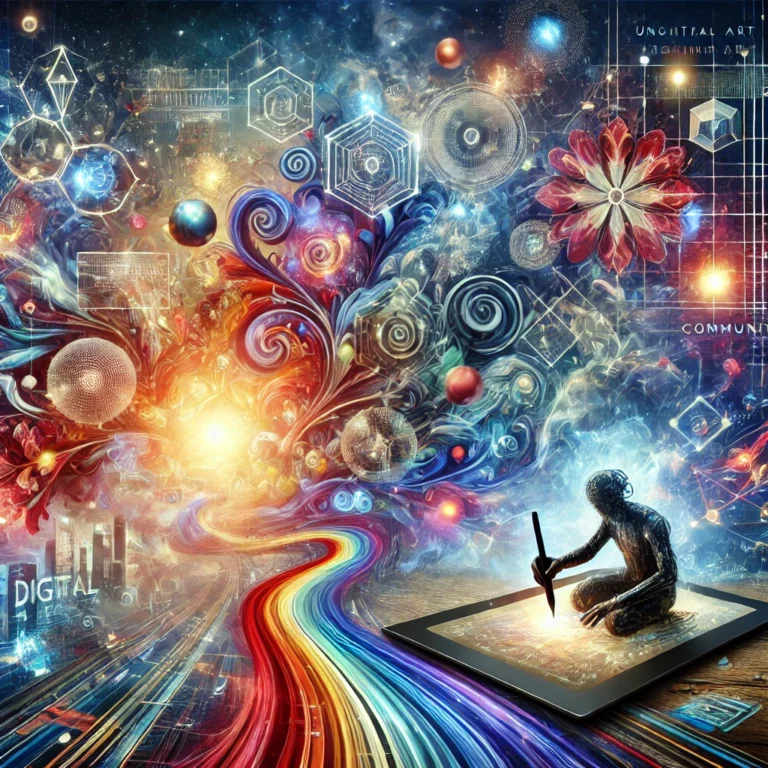
Art has always been a playground for creativity, but what happens when artists join forces? Collaborative art takes individual expressions and weaves them into something greater. Enter quartist—a concept and platform-driven movement designed to elevate creativity in a rapidly evolving digital age.
The concept of quartist has gained recognition in recent years as artists and thinkers look for new ways to define creativity beyond traditional paintings and sculptures. It goes beyond conventional boundaries by merging quality, artistry, and storytelling into one unified form. Whether it is through collaborative platforms like Quartist or as a broader creative mindset, quartist symbolizes innovation, authenticity, and global connection.
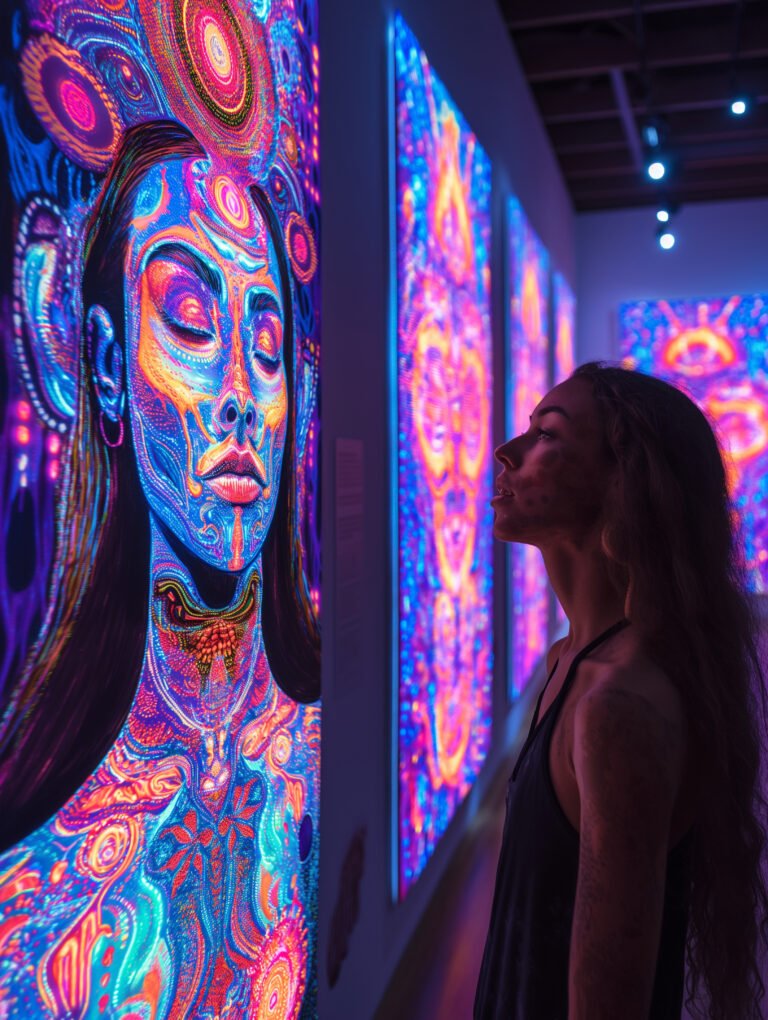
Imagine a space where creators from all walks of life can connect, brainstorm, and create together in real time. Whether you are an experienced artist or just starting your creative journey, quartist opens the door to endless possibilities. It is not only about sharing ideas but also about building communities through art that transcends borders, mediums, and cultures.
Quartist Meaning and Core Concept
At its core, quartist meaning comes from the fusion of two essential ideas: quality and artist. A quartist represents an individual or collective that prioritizes originality, craftsmanship, and long-term impact over short-term trends.
Unlike traditional creative roles, quartist emphasizes dedication to innovation and meaningful expression. It reflects a mindset where art is not limited to one medium or discipline but expands across digital, visual, written, and hybrid formats.
In modern culture, quartist has become more than just a term—it symbolizes a movement that values authenticity, originality, and cultural relevance in a global digital environment.
The History and Evolution of Collaborative Art (Merged)
Collaborative art has deep roots in human history. In ancient times, communities came together to create murals, sculptures, and symbolic works for religious and cultural purposes.
As history progressed, artists formed collectives to inspire and critique one another. Movements like Impressionism flourished through collaboration, shifting artistic techniques and perspectives.
The twentieth century introduced avant-garde movements such as Dadaism and Surrealism, encouraging collaboration across disciplines. Artists experimented with new media by combining their unique viewpoints.
With the rise of technology, collaborative art transcended geographical limitations. Digital platforms enabled global participation, allowing artists to contribute ideas and creations from anywhere in the world. This shift laid the foundation for the quartist movement, where shared experiences and diverse voices thrive together.
Evolution of Quartist in Modern Culture (Merged)
The rise of quartist is closely linked to globalization and digital platforms. Artists are no longer confined to galleries and exhibitions. Instead, they use social media, online communities, and digital marketplaces to showcase creativity.
From music and literature to visual arts and digital design, quartist culture blends traditional skills with cutting-edge technology. This evolution has redefined how audiences perceive creativity and what it means to be a modern artist.
Quartist is not restricted to one discipline. It spans multiple creative fields, forming a new wave of global expression rooted in collaboration, innovation, and storytelling.
How Quartist Works: Collaborative Creation Process (Merged)
Getting started with Quartist-style collaboration is simple and intuitive. Artists begin by creating an account or joining a creative community.
Once connected, creators can explore ongoing projects or initiate new ones. Invitations allow artists from different backgrounds to collaborate seamlessly.
Brainstorming takes place through shared tools such as digital canvases, discussion boards, and real-time communication features. Each contributor adds their unique style, while updates reflect instantly for all participants.
The process encourages teamwork, transparency, and experimentation. Artists can also share progress publicly, building excitement and engagement around collaborative projects.
Key Characteristics of a Quartist (Merged)
A quartist is defined by several essential qualities:
- Authenticity: Original thought and avoidance of imitation
- Versatility: Ability to work across digital, visual, written, and mixed media
- Impactful Storytelling: Creating work that resonates emotionally and socially
- Commitment to Quality: Attention to detail and long-term value
These characteristics distinguish quartists from traditional creators and highlight their role in shaping modern creative culture.
Benefits of Using Quartist for Collaborative Art Projects (Merged)
Quartist revolutionizes collaboration by bringing artists together in a seamless digital environment.
Accessibility is one of its greatest strengths. Artists can collaborate globally without geographical barriers, allowing diverse perspectives to enrich the creative process.
Enhanced communication tools enable instant feedback and idea exchange. Structured project management features help organize tasks, track progress, and share resources efficiently.
Additionally, quartist platforms foster community building by connecting artists of all skill levels. This environment encourages learning, networking, and creative growth.
Quartist in the Digital Era (Merged)
In today’s digital age, quartist has become increasingly significant. Social media platforms, NFT marketplaces, and digital storytelling tools allow artists to reach global audiences instantly.
A quartist’s work may exist simultaneously as a physical object, digital artwork, multimedia project, or immersive experience such as virtual reality. This adaptability ensures relevance in a constantly changing cultural landscape.
Technology acts as a tool rather than a limitation, empowering quartists to experiment and innovate across multiple formats.
Role of Quartist in Society (Merged)
Beyond creating art, quartists challenge societal norms and influence cultural conversations. Their work often reflects issues such as identity, climate change, mental health, and digital ethics.
By addressing meaningful themes, quartists educate, inspire, and provoke thought. This positions quartist as both an artistic identity and a social responsibility.
Success Stories and Real-World Applications (Merged)
Many artists have transformed their creative journeys through quartist collaboration.
Examples include international collaborations that blend cultural styles, student projects that showcase unity through art, and multimedia creators who merge visuals with music and storytelling.
These success stories demonstrate how quartist empowers artists to push boundaries and gain recognition across creative industries.
Quartist Versus Commercial Art (Merged)
While commercial art often prioritizes profit and mass appeal, quartist focuses on authenticity and cultural resonance.
Quartist creations are thoughtful, intentional, and designed for long-term impact. This approach builds deeper audience connections and lasting influence rather than temporary trends.
Future Possibilities and Innovations for Quartist (Merged)
The future of quartist is filled with innovation. Emerging technologies such as artificial intelligence, blockchain, and virtual reality will shape how artists collaborate and share work.
Mobile accessibility and enhanced community features will further expand global participation. Real-time feedback systems and immersive environments may redefine collaborative creativity.
Quartist stands at the intersection of creativity and technology, ready to inspire new artistic movements.
How to Become a Quartist (Merged)
Becoming a quartist requires more than talent. It involves dedication, adaptability, and commitment to meaningful creativity.
Key steps include mastering one’s craft, engaging with creative communities, embracing technology responsibly, and building a reputation based on quality and integrity.
By adopting these principles, creators can embrace the quartist identity with confidence.
Conclusion
The evolution of quartist reflects the changing landscape of modern creativity. By combining quality, originality, and collaboration, quartist redefines what it means to create art today.
As digital culture continues to expand, quartist will remain a powerful force shaping artistic expression and community building. For creators and audiences alike, quartist represents the future of meaningful, innovative, and collaborative art.