Introduction
Welcome to the world of Sodziu, where creativity, emotion, and cultural heritage come together through storytelling and community-driven experiences. In an era where events, traditions, and meanings often blur into sameness, sodziu stands apart by reflecting identity, roots, and connection.
At one level, sodziu meaning relates to village life, close communities, and shared traditions. At another level, it represents storytelling as an experience—where people do not just attend events or follow customs, but become part of a living narrative. Whether through cultural identity, rituals, or modern storytelling-based events, sodžiu connects people to emotion, belonging, and memory.
From rural heritage to modern creative experiences, sodžiu continues to evolve while keeping its core values alive.
What Sodziu Means (Merged Content)
Sodziu carries both literal and symbolic meaning. At its simplest level, it refers to a village or close-knit community. The deeper meaning comes from how people lived together, shared responsibilities, and protected traditions.
The term reflects:
- Belonging
- Unity
- Connection to land and people
In cultural sayings and stories, sodziu meaning signals shared identity and emotional connection. Whether used historically or in modern contexts, it always points toward togetherness and cultural continuity.
Origins of Sodziu
The origins of sodziu are deeply rooted in rural settlements. Early communities used the term to describe clusters of families working the same land. This strong bond between people and place shaped its evolution.
Over time, sodžiu became more than geography. It represented:
- Shared labor
- Food production
- Seasonal cooperation
- Community survival
Timeline of Sodziu Development
| Period | Representation |
| Early origins | Rural clusters tied to land |
| Medieval period | Shared labor and customs |
| 19th century | Family identity and survival |
| Modern era | Cultural heritage and symbolism |
The Power of Storytelling in Sodziu
Storytelling is an ancient art and a core part of sodziu culture. Stories connect people emotionally, turning ordinary moments into meaningful experiences.
In both cultural traditions and modern events:
- Stories create emotional engagement
- Narratives help people remember experiences
- Shared stories strengthen community bonds
This storytelling approach allows sodžiu to remain relevant across generations.
Sodziu in Linguistic and Cultural Context
The meaning of sodžiu changes slightly across regions, but its core remains the same. Some use it literally for villages, while others use it symbolically to express heritage, home, and identity.
In older texts, sodžiu appears in:
- Folklore
- Proverbs
- Oral traditions
In modern language, it is used in conversations about migration, roots, and cultural memory. This flexibility allows sodziu to survive language changes.
Sodziu as a Cultural Identity Marker
Sodziu became a strong symbol of cultural identity because it reflects:
- Cooperation
- Respect
- Shared routines
Family structures were shaped by sodžiu life. Elders passed stories to children, and daily work created emotional bonds. Even today, sodžiu helps people understand who they are and where they come from.
Architecture and Daily Life in Traditional Sodziu
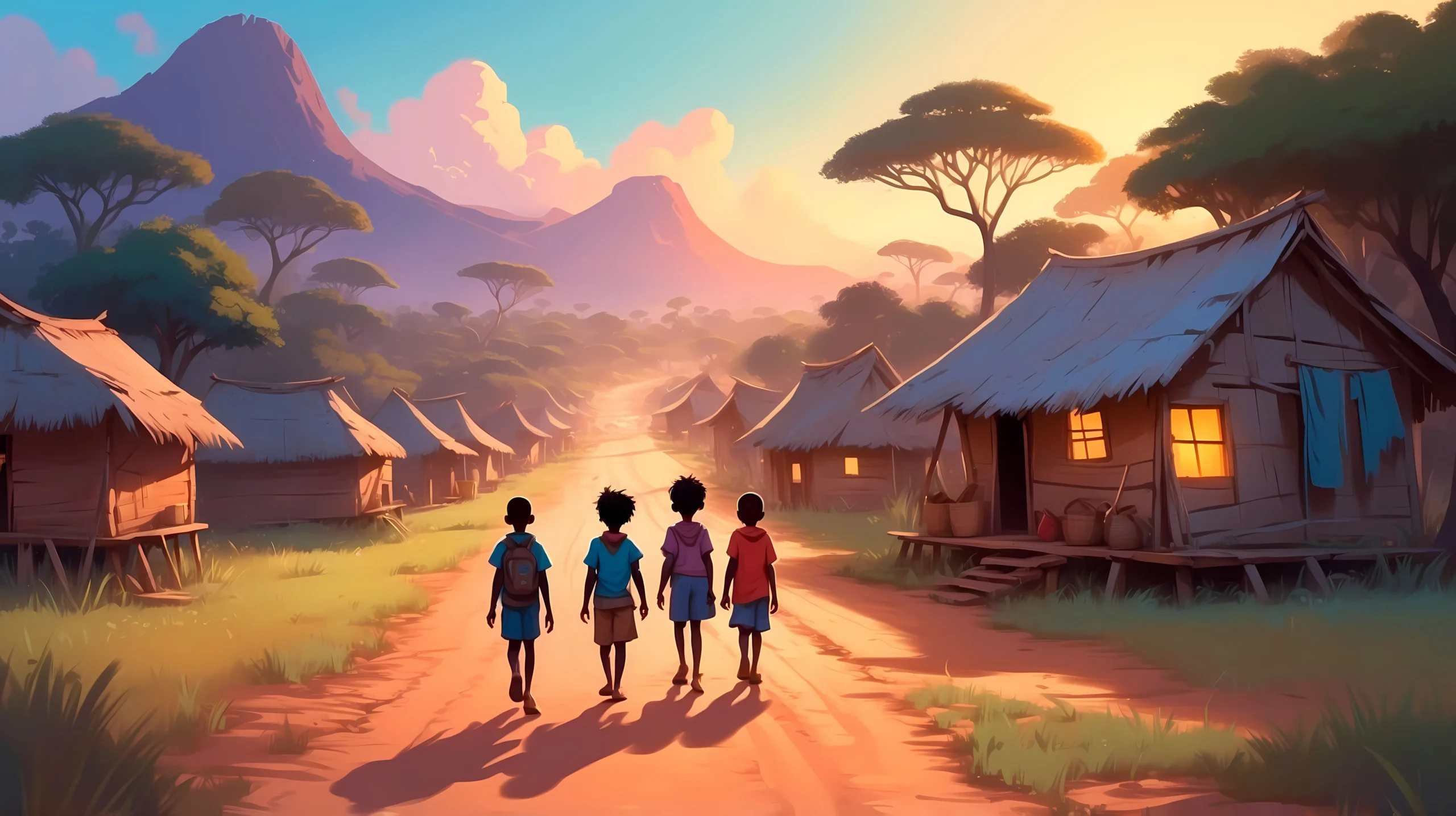
Traditional sodžiu communities were simple but functional. Homes were built close together using local materials. Daily life centered around farming, livestock care, and shared meals.
Key features:
- Wooden homes
- Handmade tools and furniture
- Predictable daily routines
This structure encouraged cooperation and strengthened community ties.
Food, Cooking, and Sodžiu Gerimas
Food played a major role in sodžiu identity. Ingredients came from local farms, making meals seasonal and fresh.
Cooking styles included:
- Slow simmering
- Baking
- Fermentation
Sodžiu gerimas and traditional dishes were often shared during gatherings and festivals.
Common Dishes
| Dish | Description |
| Hearty stews | Slow-cooked vegetables and meat |
| Herbed fish | Fresh fish with herbs |
| Dumplings | Filled with meat or vegetables |
| Honey pastries | Linked to harvest seasons |
Food was not just nourishment—it was tradition and connection.
Folklore, Arts, and Literature
Sodziu has a strong presence in folklore and creative arts. Elders passed stories blending nature, daily life, and moral lessons.
Art forms included:
- Embroidery
- Wood carving
- Pottery
- Textiles
Writers and poets used sodžiu themes to highlight unity, land, and shared values.
Rituals and Festivals in Sodziu
Rituals gave structure to sodžiu life. Seasonal ceremonies marked:
- Harvests
- Births
- Marriages
Festivals included food, music, and storytelling. Even small rituals symbolized gratitude and unity, keeping sodžiu alive as a living experience.
Modern Revival and Digital Age of Sodziu
Today, sodziu is experiencing a revival. People seek cultural roots and sustainable living.
Modern revival includes:
- Eco living
- Traditional workshops
- Cultural tourism
In the digital age, sodžiu spreads through:
- Online groups
- Social media
- Digital storytelling
Migrants use it to stay connected to heritage, while younger generations learn through digital platforms.
How Sodziu Influences Modern Society
Sodziu offers lessons for modern life:
- Cooperation
- Respect
- Community support
Urban projects now adopt sodžiu concepts to design shared spaces and cultural events. It strengthens identity and emotional belonging.
How to Experience Sodziu as a Visitor
Visitors can experience sodžiu by visiting rural communities that still practice traditional living.
Tips:
- Respect local customs
- Participate when invited
- Join guided visits
Understanding context adds depth and meaning to the experience.
Historical vs Modern Sodziu (Merged)
Historical sodžiu focused on survival and shared labor. Modern sodžiu focuses on cultural preservation and identity.
Both share one message:
Community matters.
Combined FAQs (Merged
1. Is sodžiu tied to a specific country?
It appears most often in rural-based cultures, but its values apply globally.
2. Does sodžiu refer to an actual village?
Sometimes yes. Other times, it represents a way of life or identity.
3. Why is sodžiu important today?
It teaches unity, respect, and cultural connection in modern life.
4. Is sodžiu used in modern language?
Yes. It appears in cultural discussions, creative projects, and online communities.
5. Can visitors take part in sodžiu traditions?
Yes, with respect and cultural awareness.
6. How is sodžiu passed to younger generations?
Through stories, rituals, daily routines, and shared values.
7. Are there global variations of sodžiu?
Yes. Words differ, but the idea of community and heritage remains the same.